
AI · BREAST MRI · CLINICAL DECISION SUPPORT
AI-Powered Early Detection
of Breast Cancer
AI decision support for more confident breast MRI
1 in 11
women in the EU are estimated to develop breast cancer before age 75
374,800
Women estimated to have been diagnosed with breast cancer in the EU in 2022
29.4%
Of new cancer diagnoses among EU women were breast cancer in 2022
THE CLINICAL CHALLENGE
Breast MRI is highly sensitive.
Specificity remains the challenge.
Breast MRI can reveal findings that other imaging modalities may miss. But limited specificity can lead to false positives, additional procedures, patient anxiety, and increased radiologist workload.
01
False-positive findings
Benign findings can resemble suspicious lesions, complicating clinical decisions.
02
Additional procedures
Indeterminate findings may lead to repeat imaging or biopsies that ultimately prove unnecessary.
03
Clinical and patient burden
Every additional finding requires time to review and can create delays, workload pressure, and anxiety for patients.
This is the gap Zorya is being built to address.
THE ZORYA SOLUTION
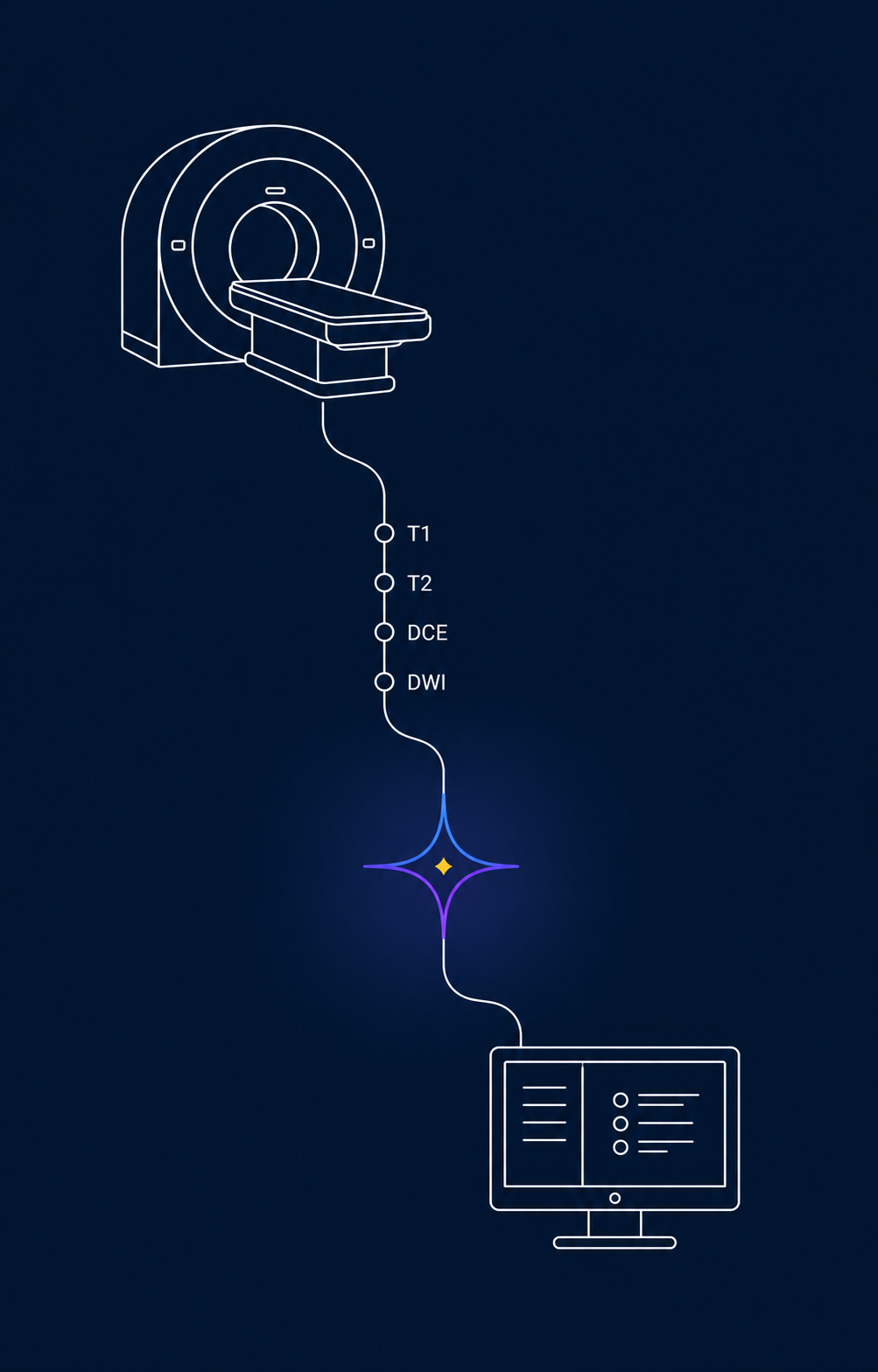
Zorya detects and characterizes suspicious findings in breast MRI.
Zorya analyzes multiparametric breast MRI to identify findings associated with breast cancer and help radiologists distinguish suspicious lesions from benign findings.
BUILT WITH CLINICAL EXPERTISE
Zorya is being developed around expert annotation protocols and structured descriptions of breast MRI findings. We are building multicenter clinical-data partnerships with hospitals and leading imaging centers in France to ensure that the technology reflects the diversity of real clinical practice.
DESIGNED FOR CLINICAL DEPLOYMENT
Zorya is designed as a SaaS platform for hospitals and imaging centers, alongside integration partnerships with MRI manufacturers. It is built for radiology workflows and supports radiologists without replacing their clinical judgment.
LET’S DISCUSS THE DETAILS
Are you a radiologist, hospital, imaging center, research team, or MRI manufacturer?
Contact us to discuss our imaging and annotation protocols, structured approach to describing findings, clinical-data partnerships, or technical integration.
ROADMAP
Building Zorya alongside clinical experts.
From expert annotation and multicenter data to clinical validation and deployment, each stage is grounded in real radiology practice.
2026
COMPLETED
Clinical need and market study

Validated the need to reduce false-positive findings in breast MRI.
|
|
IN PROGRESS
Annotation framework

Defining expert protocols and descriptors for breast MRI findings.
|
|
IN PROGRESS
Multicenter clinical-data partnerships
|
Building collaborations with hospitals and leading imaging centers in France.
|
IN PROGRESS
MVP and model development
Development of the first detection and characterization pipeline.
|
2027
NEXT
Funding and scale-up
⌾
Bpifrance grant applications and seed fundraising post-MVP.
|
|
NEXT
Clinical validation and regulatory preparation
⌾
|
Multicenter evaluation, workflow-integration studies, and preparation for regulatory conformity assessment.
2028
TARGET
CE marking and initial commercial launch
⌾
Following successful clinical validation, target completion of the applicable MDR conformity assessment and CE marking, enabling initial commercial deployment in Europe.
Indicative target timeline, subject to clinical, technical, and regulatory outcomes.
The Team
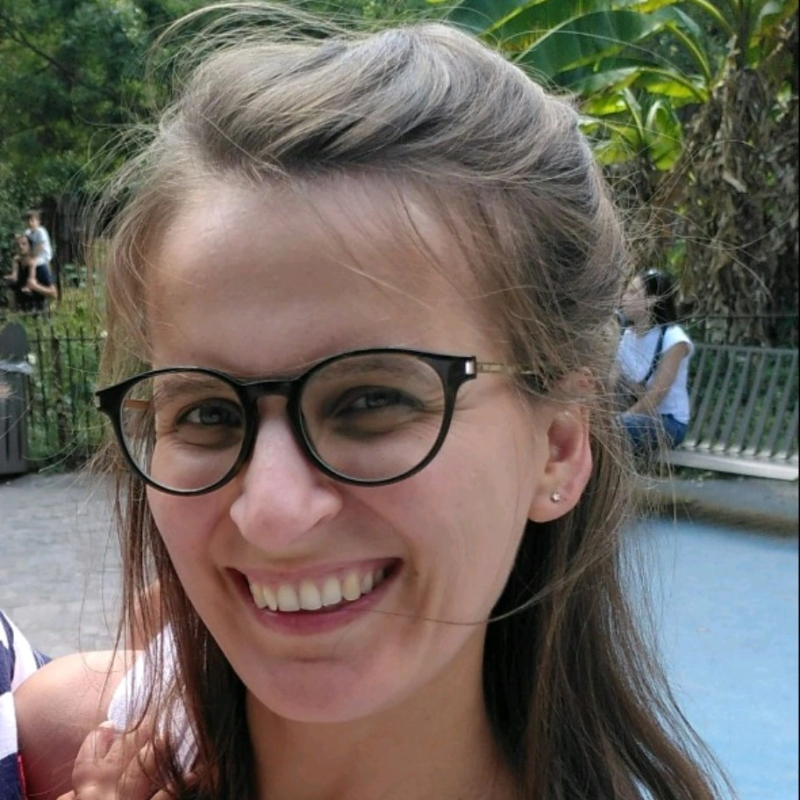
Christina Boydev
Founder & CEO

Medical physicist at AP-HP Henri-Mondor, formerly at Institut Curie and Pitié-Salpêtrière. She holds a PhD in medical imaging from EPFL and brings expertise in MRI, image processing, AI, and clinical research.
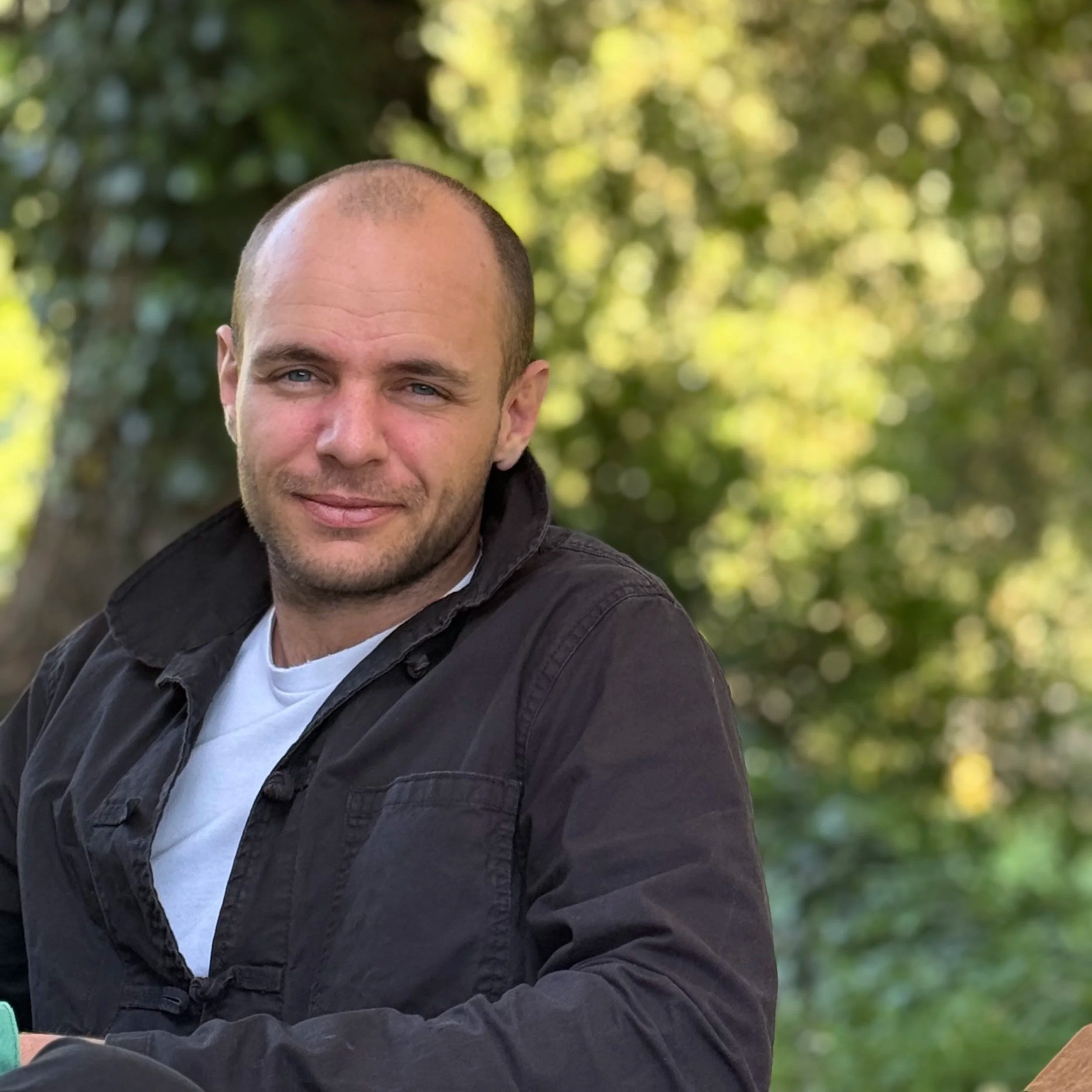
Pascal Ceccaldi
Co-founder & CTO
Former Senior Research Scientist at Siemens Healthineers, Pascal spent five years applying machine learning to medical imaging and brain MRI pathology detection. He now leads Zorya’s technical development.
Have a question or interested in working with us? Send us a message and our team will get back to you shortly. You can also reach us at contact@zoryamedical.com.